The “map pack” is the cluster of three local businesses Google shows on a map at the top of local searches — and landing one of those spots is often the single most valuable thing a local business can do online.
What the map pack rewards
Google decides the three businesses to feature based mainly on three things: relevance (do you offer what was searched?), distance (how close are you to the searcher?) and prominence (how well-known and well-reviewed are you?). You can’t change distance, but you can strongly influence the other two.
How to improve your odds
- Optimise your Google Business Profile. Right categories, complete information, accurate hours, real photos, and regular updates.
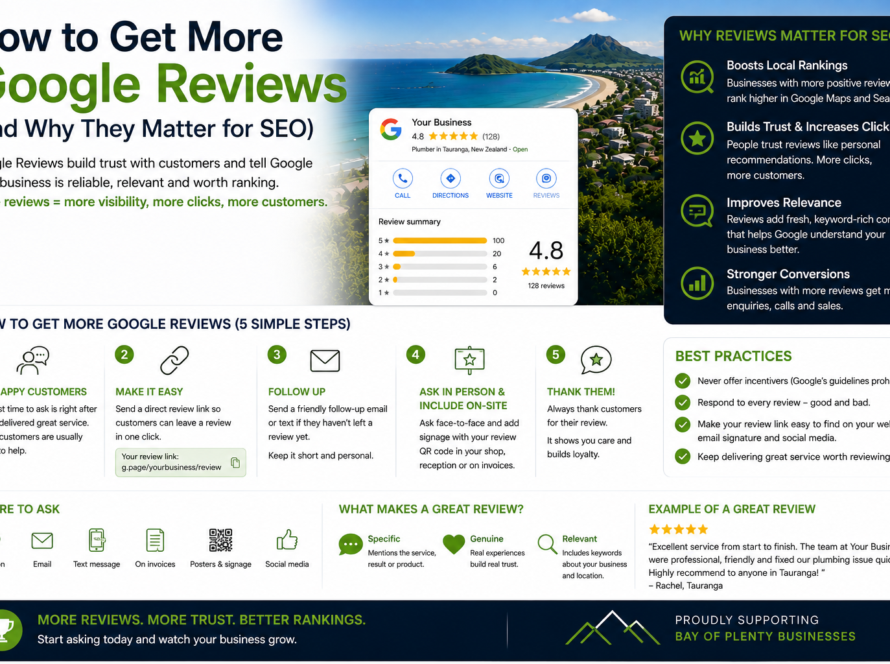
- Earn steady, genuine reviews — and reply to them. Volume, recency and ratings all count.
- Keep your NAP consistent across your website, profile and directories.
- Make your website locally relevant with clear service pages and the areas you serve.
- Build local links and mentions from genuinely relevant local sites.
The website still matters
The map pack leans on your Google profile, but Google cross-checks it against your website. A fast, relevant, well-structured site reinforces everything your profile claims — and gives the customer somewhere good to land when they click through.
Want a spot in the local three? See our local SEO service and Google Business Profile management, or book a local visibility check.
FAQ
How long does it take to rank in the map pack?
Profile improvements can show within weeks; building enough reviews and prominence to hold a top-three spot usually takes a few months of consistent effort.
Do I need a physical address?
You need a valid service area or address. Service-area businesses can rank without showing a street address, as long as the profile is set up correctly.
Can paid ads get me into the map pack?
Ads can appear above it, but the organic map pack itself is earned, not bought. The two work well together.